aria
观影心得
10分
人类还没做好承受这部电影的准备
观影心得

 剧情片
正片
剧情片
正片
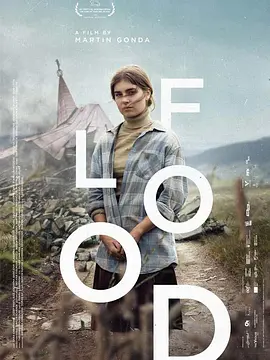
The film delves into the unexplored theme of the displacement of the Rusyn, an East Slavic ethnic group from the Eastern Carpathians in Central Europe, during the construction of the Starina reservoir in the 1980s. Set against this tumultuous backdrop, Flood intertwines personal and collective stories, bringing to the forefront the often-overlooked plight of the Rusyn minority in Slovakia.
Gonda's film speaks to minorities, individuals who have experienced displacement and young adults through its protagonist, Mara. The story unfolds in a small village, threatened by an impending flood due to the construction of the reservoir. Mara, a young woman yearning for city life and an education, is bound to her rural roots by her strict father, a Rusyn farmer, who refuses to relinquish his land and legacy despite the looming end of their world. Flood explores the themes of adolescence, uprooting and the sacrifice of personal desires for the greater good. The film seeks to elicit reflections on one's roots and the concept of home, as well as the challenges of navigating a disappearing culture and heritage.
The Starina reservoir's construction, which lasted from 1981-1988, led to the largest displacement in Slovak history. Gonda's personal connection to the region, having spent his childhood summers there, adds a layer of authenticity and depth to the narrative. The film not only recounts the physical destruction of the seven Rusyn villages, but also captures the emotional and cultural impact of this event on the community. The director aims to present a deeply researched, emotive and intimate story as well as diving into the complex dynamics between personal identity, community ties and the inexorable march of progress. The movie is poised to engage and challenge audiences, fostering a deeper understanding of the often-painful interplay between tradition and modernity.
人类还没做好承受这部电影的准备

很有宗教性的结尾,干枯的河道因暴雨重新注入了浑浊的水,保留authenticity的故地被新的未知的内容所填满;也就是原住民从抵触变化到对抗变化到成为其中的顺从者,不一定有孕育了共同体和或者希望,被适应已经成为了本能。

+

影片深挖了一个鲜少被探讨的题材:**20 世纪 80 年代斯塔里纳水库修建期间,中欧东喀尔巴阡山脉的东斯拉夫族群 —— 鲁塞尼亚人的迁徙流离史**。影片以这段动荡历史为背景,《洪水》将个人命运与族群故事交织相融,让斯洛伐克境内长期被忽视的鲁塞尼亚少数族裔的苦难境遇走进大众视野。 导演贡达以主角玛拉为载体,向少数族群、流离失所者及年轻一代传递心声。故事取景于一座因水库修建、即将被洪水淹没的小村庄。...

制作极烂。。。号称1980年,演员穿的都跟刚从淘宝下单买的似的,导演一定不知道从80年到现在纺织服装业技术变化有多大;房子和内装找的是那个年代的,可惜一看就是好几十年没住过人了,都是些初级错误。。。
The film delves into the unexplored theme of the displacement of the Rusyn, an East Slavic ethnic gr。
题材涉及剧情,由斯洛伐克,捷克,波兰,比利时出品,观影前可结合个人偏好挑选。
《洪涌》的主要演员包括Sára Chripáková。导演由Martin Gonda担任。完整演职员以正片片尾字幕和官方发布为准。
《洪涌》由Martin Gonda执导,编剧团队包括Martin Gonda、Dominika Udvorková、Martin Šuster。更多幕后信息(摄影、剪辑、配乐等)以正片字幕为准。
《洪涌》于2025年上映,出品地区为斯洛伐克,捷克,波兰,比利时,主要语言为英语。
《洪涌》正片时长约为75分钟。观看前建议预留完整时段,避免中途暂停影响观感。